
Criss Cross Sex Position: Twisted Missionary Guide

Quick facts
- What It Is: Missionary with a twist — legs crossed and resting on your partner's chest or shoulders
- Also Known As: X Position, Scissors Missionary, Crossed-Leg Missionary, Twisted Missionary
- Difficulty: Moderate; hamstring flexibility helps but ankle-cross works for most people
- Best For: Deeper penetration, tighter sensation, and maintained eye contact
- Why It Works: Crossing the legs compresses the vaginal canal and tilts the pelvis, repositioning the angle of penetration toward the anterior wall
- Common Challenge: Finding the crossing point before your calves start cramping
- Perfect Pairing: A bullet vibe on your clit while your partner focuses on depth
What Is the Criss Cross Sex Position?
The criss cross sex position is a missionary variation where the receiving partner lies on their back, lifts both legs, crosses them at the ankles or calves, and rests them against the penetrating partner's chest or shoulders. That single leg adjustment compresses the vaginal canal, tilts the pelvis forward, and shifts the penetration angle toward the anterior wall — delivering noticeably deeper, tighter stimulation while keeping face-to-face contact intact. It suits most body types and requires no special equipment.
Why You'll Want This Position in Your Rotation
If you've been doing vanilla missionary for a while, the criss cross missionary position offers a mechanical upgrade worth trying:
1. It's Deep. Like, Cervix-Bumping Deep
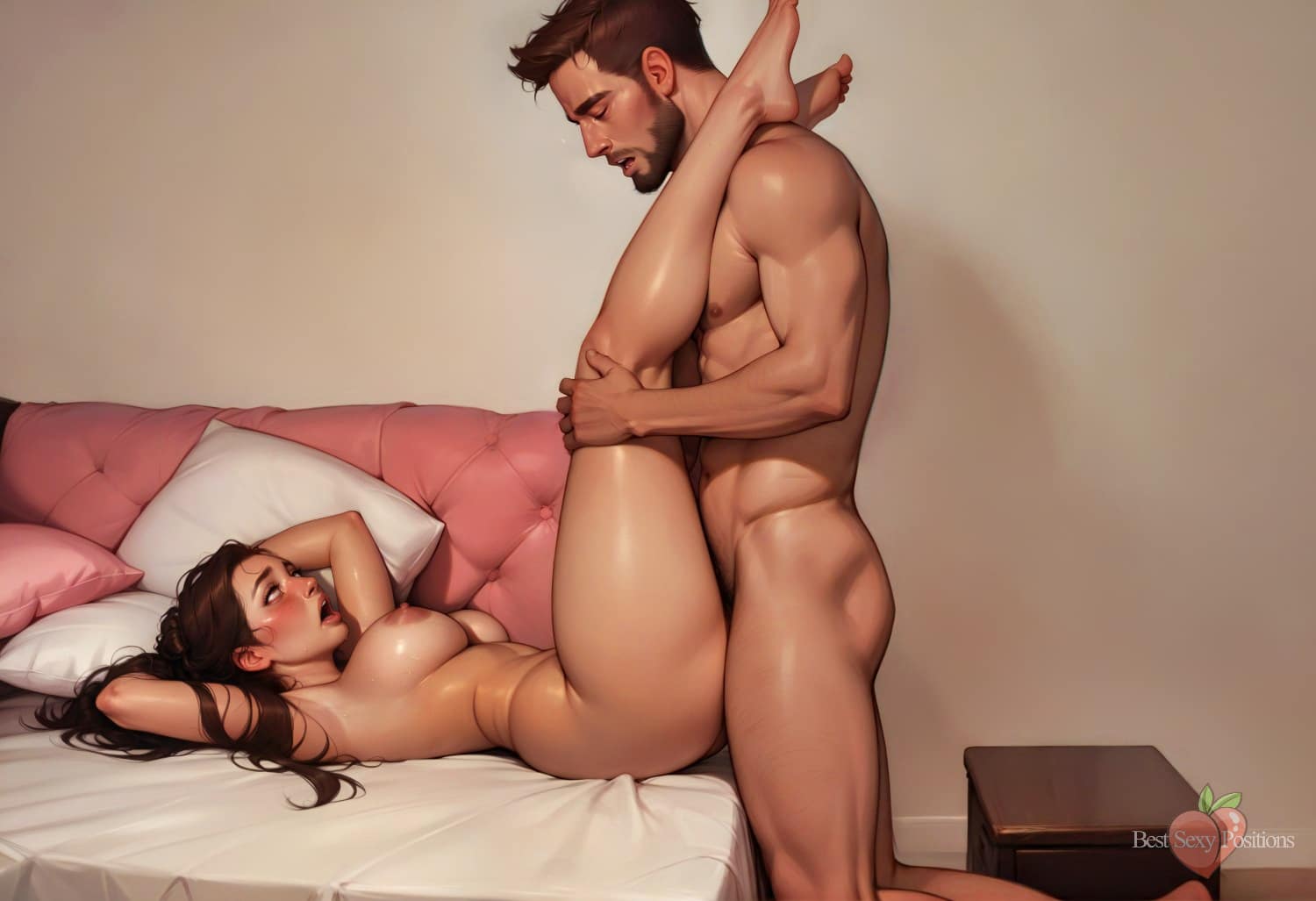
Crossing your legs tilts your pelvis in a way that lets your partner reach deeper than standard missionary allows. If you love deep penetration but want to maintain eye contact, this hits similar depths as the butterfly missionary variation but with a more accessible entry angle and less hamstring strain.
2. You Feel Noticeably Tighter
Crossing your legs squeezes the thighs together, which compresses the vaginal canal from the outside — that external narrowing creates a tighter fit for both partners. The result is heightened friction and more sensation per thrust without any additional effort from either person.
3. Eye Contact That Builds Intensity
Unlike doggy where you're face-down in a pillow, you get to watch each other throughout. There's something about locking eyes while they're hitting deeper spots that adds an emotional layer doggy-style simply can't match.
4. Works Across Different Body Types
Thick thighs? Belly you're not confident about? Height difference that makes some positions awkward? The scissor missionary position handles it. Since your partner is standing or kneeling at the edge of the bed, there's no weight-bearing on the receiver and no awkward mid-position realignment.
5. Hands Free for Extra Stimulation
While your partner is thrusting, your hands can go wherever they please — touch your clit, reach for a vibrator, or control the rhythm by gripping their hips. Combining clitoral stimulation with the deeper angle this position delivers is particularly effective for people who need dual stimulation to reach orgasm.
How to Do the Criss Cross Position
Ready to try the cross-legged missionary position? Here's the step-by-step:
If You're the Receiver:
- Lie on your back with your hips at the edge of the bed
- Let your partner enter while your legs are still in standard position
- Lift both legs and cross one over the other — tighter isn't always better, find your crossing point
- Rest your crossed legs against their chest or shoulders
- Tilt your pelvis to adjust the angle toward your G-spot
- Hands are free — use them for clitoral touch, nipple play, or guiding their hips
Visual Tip: Watching your partner's expression shift as they feel the extra compression is part of what makes this position worth doing. Use it as real-time feedback.
If You're the Penetrating Partner:
- Stand or kneel between their legs at the edge of the bed
- Enter while their legs are still uncrossed
- Help lift and cross their legs, placing them against your chest
- Grip their crossed ankles for leverage and depth control
- Experiment with angle until you notice the deeper, more audible response
- Start slow to let both of you feel the change before increasing pace
Sensation Guide: Listen for shifts in your partner's breathing — a change from regular moans to deeper, less controlled sounds usually signals you've landed on the right angle. Those involuntary cues are more reliable than any pre-planned script.
Pro Tips for Maximizing the Position
- Switch the depth: Pull those crossed legs toward you for maximum depth, then push them back toward their chest for a different pressure — the contrast amplifies sensation
- Pillow strategy: A pillow under the receiver's hips tilts the pelvis further and sharpens the G-spot angle noticeably
- Vary the rhythm: Alternating between slow, deep thrusts and quicker, shallower ones changes the pressure and keeps sensation fresh — see the how to last longer in bed guide for rhythm techniques that extend the session
- Verbal feedback: Telling your partner exactly what you're feeling in the moment — depth, tightness, angle — helps them fine-tune without guesswork
When Things Get Awkward (And How to Fix It)
Problem: Your Hamstrings Are Screaming Fix It: Cross at the ankles instead of the calves, or have your partner hold your legs to take the strain off. If your muscles seize up, switch positions — no one wants a sex-induced charley horse.
Problem: The Height Alignment Is Off Fix It: Move to the floor with a cushion under your back if the bed is too soft. Adjust with pillows under your hips or have your partner widen or narrow their stance. According to Southern Pelvic Health, using pillows to support your legs or back can significantly improve comfort and reduce strain during intimate activities. Small furniture and pillow adjustments solve most height mismatches.
Problem: You Keep Slipping Out Fix It: Slow the pace, get a better grip on the legs, and check that the angle isn't too extreme — sometimes a slight repositioning of hip height is all it takes.
Problem: The Leg Crossing Feels Weird Fix It: Play with where the cross happens. Crossing at the ankles is less intense than crossing at the calves. The half-cross (one leg up, one down) is another option. It usually takes a few tries to find the ideal crossing point.
Variations to Explore
The Half Cross Cross one leg over your body while the other stays straight. The asymmetric pressure hits the G-spot from a slightly different angle, and it's easier to maintain for people with limited flexibility. Try the elevated missionary alongside this one if you want to compare elevation-based variations.
The Elevated Cross Place a pillow under your hips to tilt the pelvis further. This concentrates penetration pressure on the anterior wall more precisely than the standard cross alone.
The Counter Cross For sturdy furniture: receiver's upper body on a counter or table, penetrating partner standing. The downward thrust angle hits spots that flat-surface versions can't easily reach.
The Ankle Twist Cross only at the ankles for a subtler tightening effect. It's the low-intensity version — useful when you want the sensation shift without the full compression.
Similar Positions Worth Trying
If you enjoyed the criss cross, these published siblings offer related sensations with their own distinct qualities:
For Deep Penetration
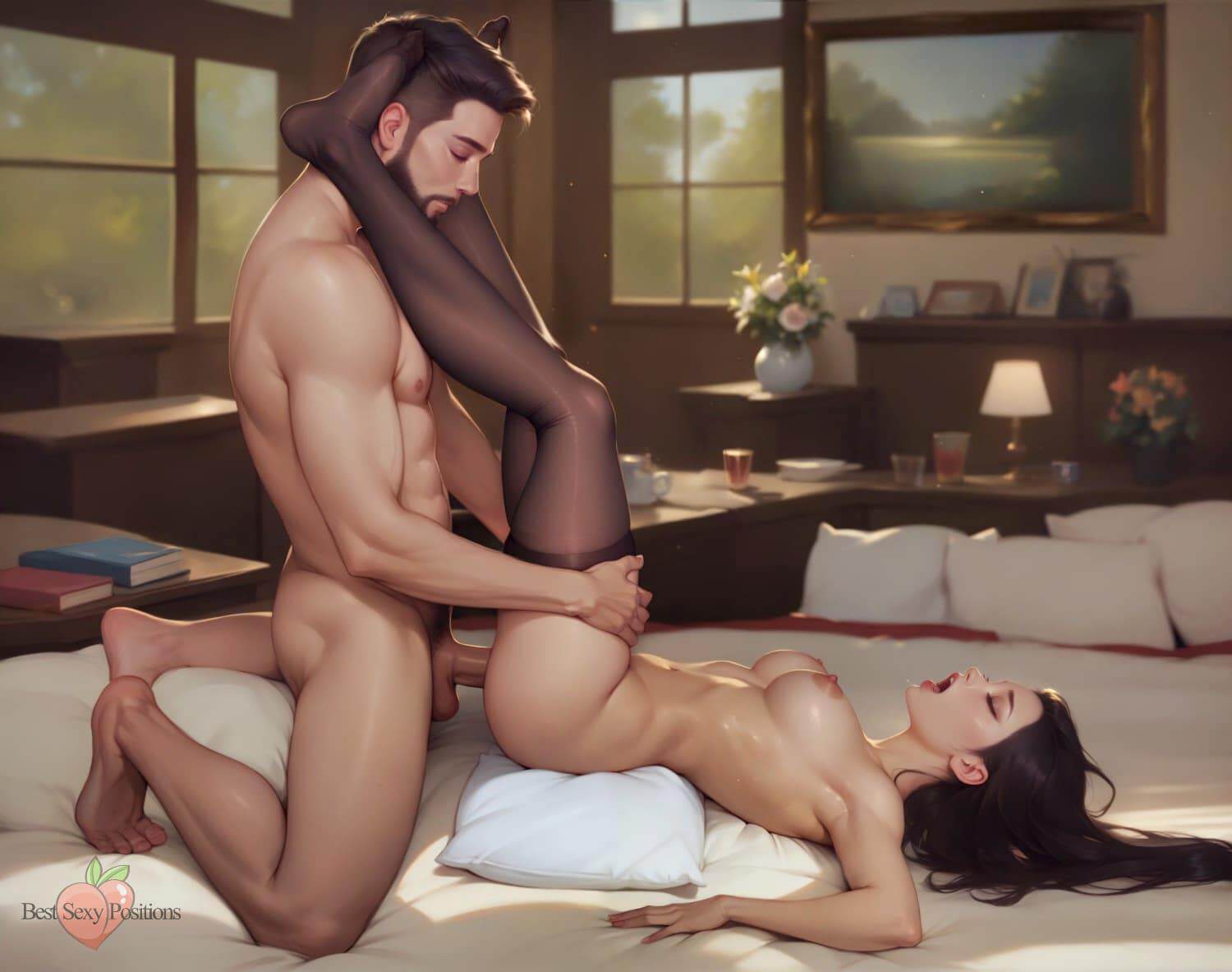
Legs go up and apart (not crossed) while your partner stands. Similar depth profile to criss cross but with more exposure and a wider angle that some find targets G-spot stimulation differently.
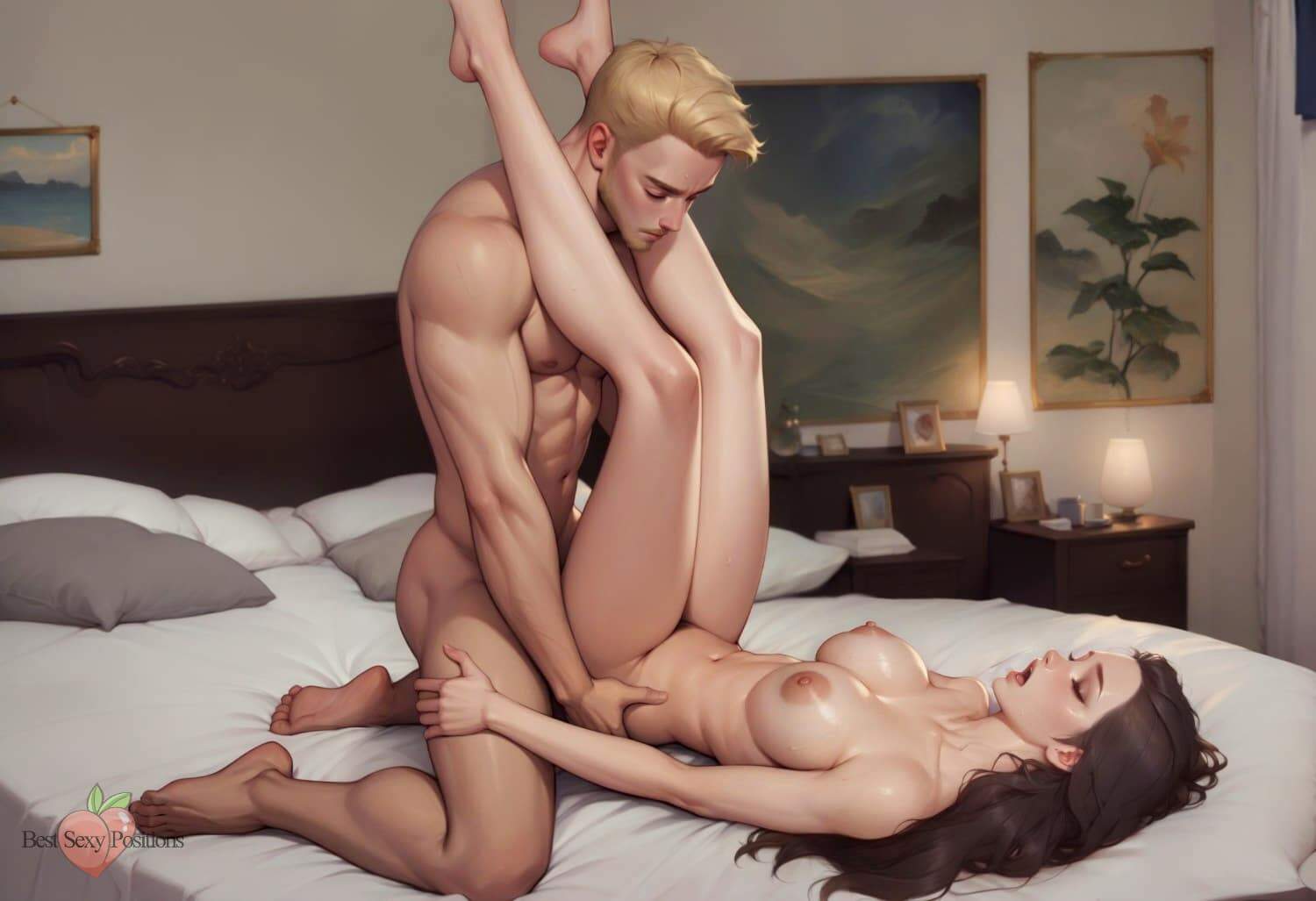
Legs pushed back toward your shoulders without crossing. The depth is comparable, the tightness is less, and the cervix stimulation is often more direct. A natural next step if you want to remove the compression variable.
Legs spread wide and held back — the opposite of criss cross in terms of tension. Where criss cross compresses, eagle opens. Useful for understanding how pelvic angle alone (rather than compression) affects depth and angle.
Who This Position Works Best For
The missionary leg variation tends to reward:
- Anyone bored with standard missionary who isn't ready for acrobatic alternatives
- People who want deep penetration with maintained eye contact
- Partners dealing with height or size differences that make other positions tricky
- Anyone wanting to try tightness variation without months of conditioning
- Couples who benefit from hands-free access during penetration
The BSP Bottom Line
The criss cross earns its place through anatomy, not hype. Crossing the legs compresses the vaginal canal and tilts the pelvis, which repositions the penetration angle closer to the anterior wall — the area where G-spot sensitivity is concentrated. That's the mechanical reason it feels different from standard missionary, and why so many people find it worth revisiting.
Start with an ankle cross, add a pillow under your hips, and let the feedback you're getting in real time tell you whether to tighten the cross or open it up. The classic missionary position is always there if you need to reset — but most people who try the criss cross want to come back.
Frequently Asked Questions About Criss Cross
The FAQ section below addresses safety, technique, anatomy, and compatibility. Start with the safety question if this is your first time trying the position.
Is the criss cross position safe if penetration feels painful or uncomfortable? Stop and communicate if you feel sharp pelvic pain, cervix-bumping discomfort that doesn't ease with a shallower angle, or burning. Uncross your legs to reduce depth and compression, then reposition. This position amplifies both depth and tightness — small adjustments matter more than in standard missionary. If pain recurs across multiple sessions, a pelvic health provider can help identify the cause.
Can we do anal in the criss cross position? Yes, with preparation. The pelvic tilt created by crossing the legs can make entry more comfortable and the angle works for prostate stimulation. For anal specifically: use generous lubrication (the anus does not self-lubricate), go slowly, stop if there is pain, and allow time for muscles to relax before increasing depth or pace. If either partner feels discomfort beyond initial adjustment, pause and communicate.
Does this work if we have different body sizes? The position handles most combinations well. The standing or kneeling partner can adjust height, and there's no body weight on the receiver. Pillow height under the hips and stance width are the two main adjustment levers.
My legs aren't very flexible. Can I still do this? Yes. Cross at the ankles instead of the calves, or try the half-cross where only one leg comes up. Even with limited range of motion, you can find a crossing variation that works without strain.
Why does crossing my legs feel tighter than regular missionary? Crossing engages the adductors and squeezes the thighs together. That external compression narrows the vaginal canal, creating a tighter internal fit. The tilt also repositions the penetration angle so more friction lands on the anterior wall, which concentrates sensation there rather than distributing it more broadly.