
16 positions
Doggy Style Positions: Angle, Depth & Arch Guide
Doggy style positions shift pelvic tilt and entry angle to target the G-spot or P-spot on demand. Every rear-entry variation, prone bone to backshots.
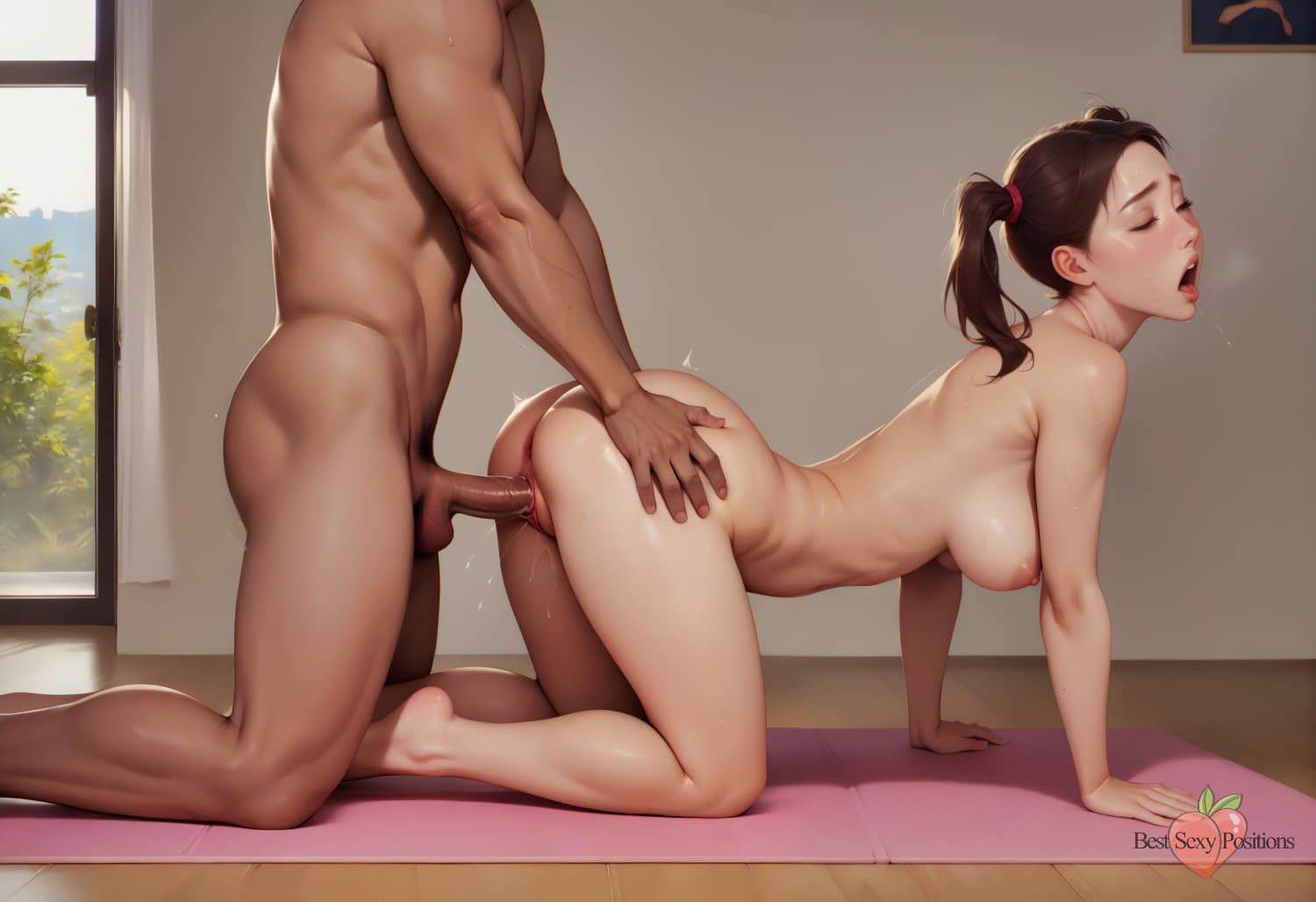
Doggy style positions are rear-entry arrangements where the receiving partner's pelvis tilts forward, shortening the anterior vaginal wall and angling the cervix away from the penetrating object — that geometry is why depth and G-spot or P-spot contact feel sharper here than in most face-to-face positions. The lumbar arch the receiving partner holds (or releases) directly controls entry angle: a deeper arch lifts the perineum and narrows the canal, increasing friction; a flatter back opens the pelvic floor and allows fuller depth with less resistance. Those two variables — arch and hip height — are what separate the dozen-plus variations in this category from one another.
If you want the most concentrated rear-entry pressure the body can produce, classic doggy style keeps the spine neutral and gives the giving partner full hip-range thrust. For the longest sustained stroke, prone bone flattens the receiving partner face-down, which presses the anterior wall down onto the penetrating partner's shaft through every inch of travel. Backshots raises the receiving partner's hips above the knees by standing or crouching, rotating the pelvis posteriorly and pulling the anterior wall into constant contact. Bulldog collapses that hip height so both partners squat low, compressing the pelvic floor for a tighter, shorter stroke with more whole-body contact. And crossed doggy rotates the receiving partner's hips roughly 30–45 degrees off-axis, so each thrust grazes the lateral vaginal wall rather than going straight anterior — a completely different friction map.
Rear-entry depth is one reason these positions overlap so naturally with anal play. If that interests you, the guide to anal sex covers prep, relaxation cues, and angle management that apply directly to several of the variations below. For a curated shortlist organized by what each one does, sex from behind positions and deep penetration positions rank the field by use-case. Anal-specific rear-entry options also appear in anal pleasure positions.
The rest of this page breaks down each variation — what the entry angle does anatomically, which body type or flexibility level it suits, and what small adjustments shift the sensation.
Doggy Style
The classic stance — receiving partner on all fours, hips level with or slightly above the knees — keeps the spine in a mild lumbar curve and the vaginal canal angled roughly 30 degrees from horizontal. The giving partner can vary depth by changing hip height relative to the receiver's pelvis: rising onto the balls of the feet or kneeling on a pillow shifts the angle of penetration toward the anterior wall; dropping lower flattens it. Prostate stimulation follows the same anterior-wall logic from the other side. This is the baseline all other doggy variants modify.
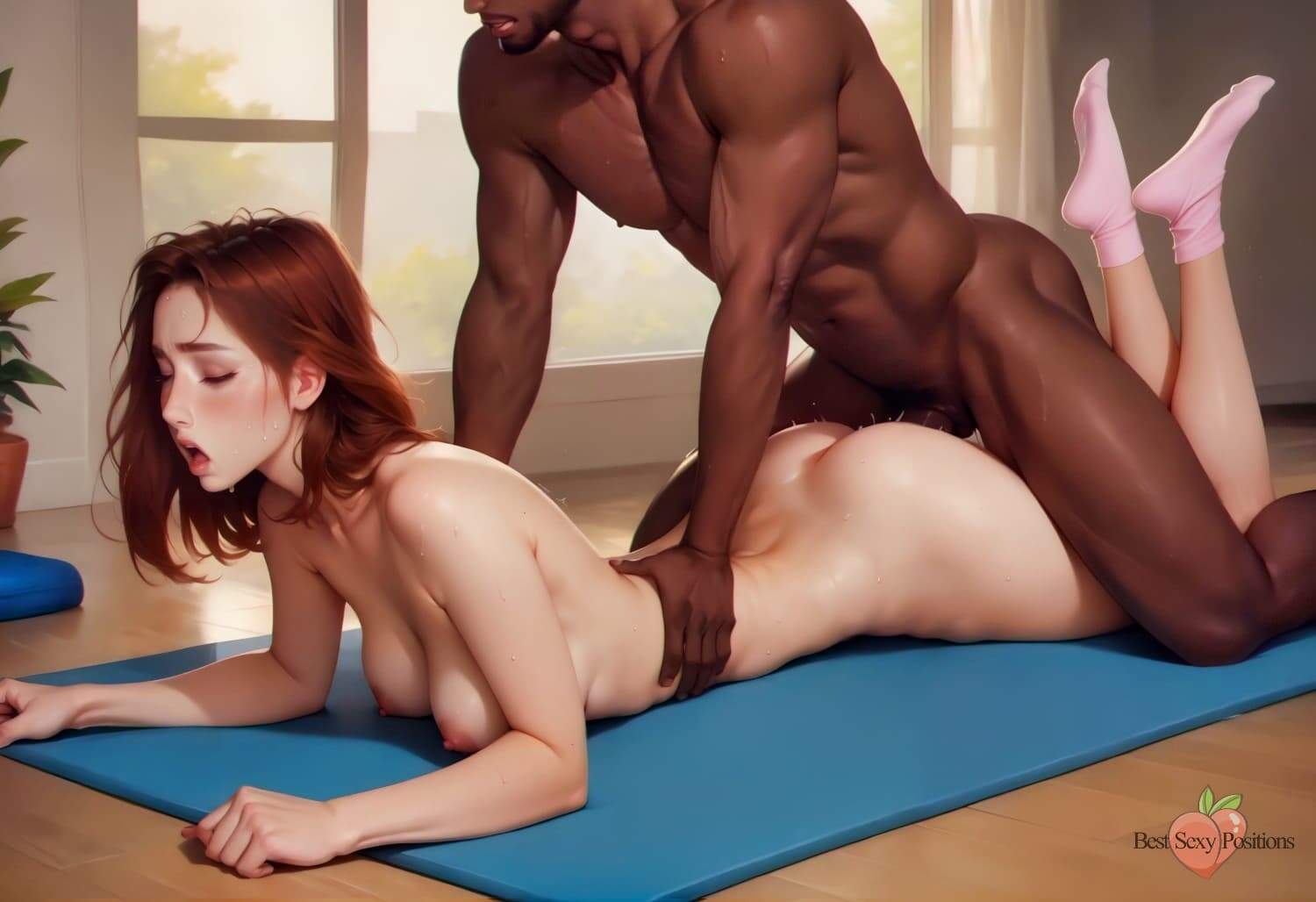
Prone Bone
The receiving partner lies flat on the stomach, legs together, hips neutral. The giving partner straddles or lies along the back. Flattening the pelvis to the surface rotates the entry axis from the usual 30-degree angle to nearly horizontal, so the shaft presses upward against the anterior wall across its full length rather than at the tip. Leg position matters: pressing the thighs together narrows the vaginal opening, adding compression that changes both partners' sensation even at the same depth.
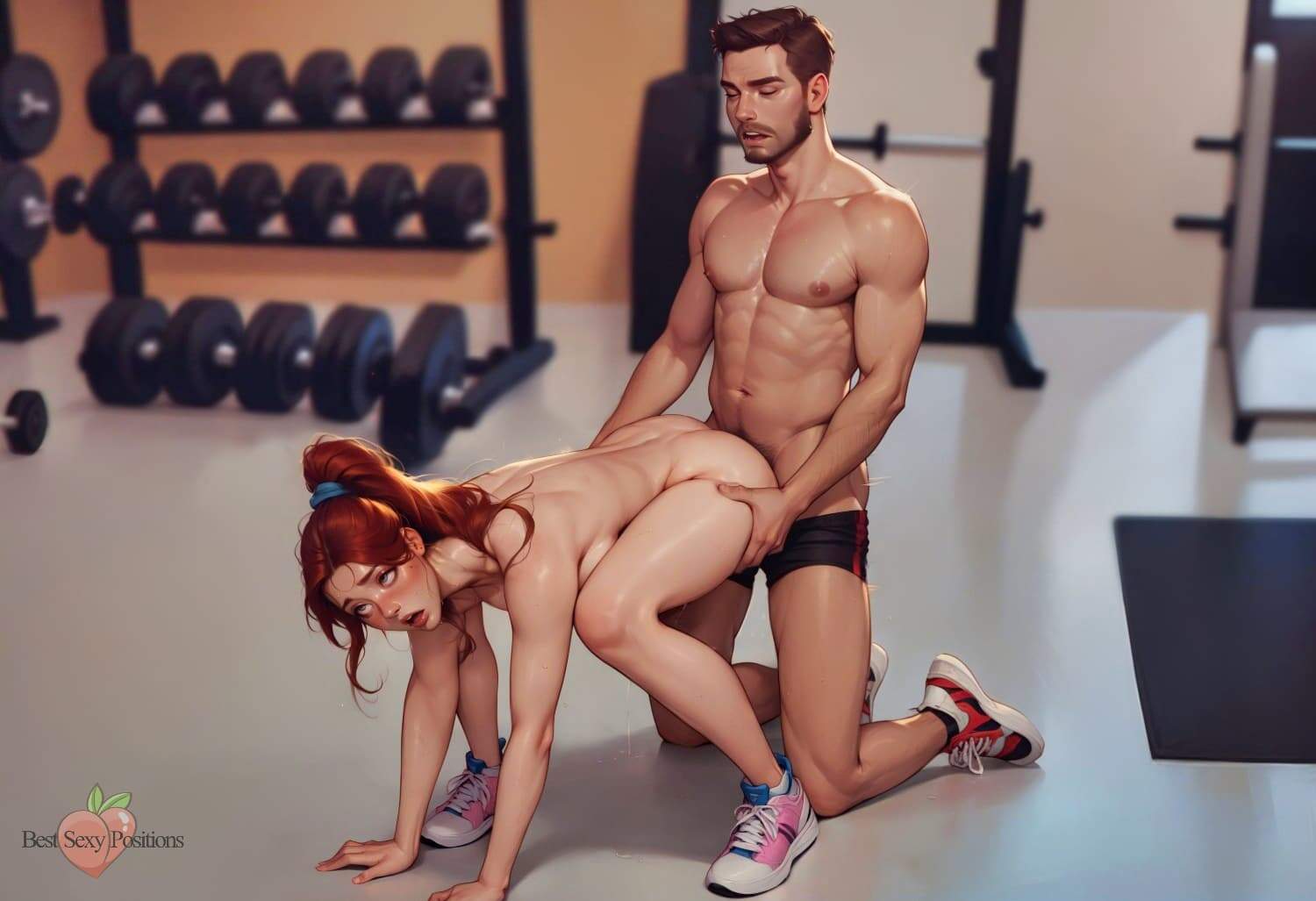
Frog
The receiving partner squats low with knees wide and hands braced forward; the giving partner kneels behind. Squatting opens the pelvic floor more than a standard kneeling position, which allows deeper entry with less resistance. The wide knee spread also pulls the labia apart, changing surface friction at the entry point. Hip flexion in the squat rotates the coccyx upward, which subtly changes the posterior vaginal wall angle — some people find posterior-wall sensation stronger here than in standard doggy.

Basset Hound
The receiving partner lowers the chest toward the mattress while keeping hips elevated, exaggerating the lumbar arch. That arch tips the pelvis anteriorly — the same mechanical effect as placing a pillow under the hips in missionary, but achieved by the body's own flexion. Entry angle becomes steeper, directing thrust more sharply toward the anterior wall. Shoulder flexibility determines how far the chest can drop; people with limited shoulder range can brace on forearms instead of lying flat.

Bent Over
Standing with the torso folded forward onto a table or bed edge keeps the hips at a fixed height, so depth is controlled entirely by the giving partner's stance distance. The hip flexion from bending forward rotates the pelvis and lifts the coccyx, which opens the posterior entry angle — useful when anal depth rather than G-spot targeting is the goal. The surface gives the receiving partner something to push back against, which lets them control how much of each thrust they take.

Turtle
The receiving partner curls into a rounded-spine position — knees drawn toward the chest, back arched outward rather than inward. That posterior pelvic tilt is the opposite of Basset Hound: it closes the anterior angle and directs entry more toward the posterior wall and perineal body. Stroke length shortens compared to a neutral-arch doggy stance, but contact pressure at the posterior wall increases. People who find deep anterior pressure uncomfortable often prefer this geometry.

Lazy Dog
Both partners lie horizontal, giving partner on top and slightly behind. The body-to-body contact along the full back and buttocks changes heat and friction in ways that upright variants don't produce. Thrust mechanics shift from hip-driven pendulum strokes to more of a grinding, rocking motion because both pelvises move together rather than independently. That grinding pattern keeps the base of the shaft in continuous contact with the perineum or scrotal area throughout each stroke.

Flat Iron
Similar entry geometry to prone bone, but the receiving partner keeps the legs slightly raised — feet off the mattress. That posterior leg lift tilts the pelvis a few degrees, rotating the pubic bone downward and pressing the anterior vaginal wall more firmly against the penetrating partner's shaft. The compression created by the closed legs and active posterior pelvic tilt makes this a mechanically efficient position for G-spot and P-spot contact even at moderate depth, which is why it works across a range of anatomies.

Superwoman
The receiving partner lies chest-down on a raised surface — table, countertop, bed edge — with the hips at or just below surface height. The giving partner stands behind. Because the receiving partner's feet may not touch the floor, the pelvic angle is determined by surface height: higher surface flattens the entry axis (more prone-bone feel); lower surface tips the hips down, increasing the angle toward the anterior wall. The giving partner's standing posture allows longer, more powerful hip extension per stroke than kneeling positions.

Banana Split
One leg of the receiving partner extends back while the other stays forward, splitting the hips asymmetrically. That asymmetry rotates the pelvis along the sagittal axis — one hip rises, the other drops — so the vaginal or anal canal is no longer level with the entry angle. The penetrating partner's shaft contacts the lateral wall on the raised-hip side more directly than it would in a symmetrical stance. Switching which leg extends changes which wall receives the lateral pressure.

Bulldog
Both partners adopt a low squat — receiving partner's knees bent past 90 degrees, hips below the giving partner's hips. The compressed hip angle reduces available thrust travel, so stroke length is short, but the pelvic floor is more fully engaged by the squat than in any kneeling position. Gluteal and inner-thigh compression from the wide, low stance increases pressure around the entry point. This position requires quad and hip-flexor endurance from both partners.
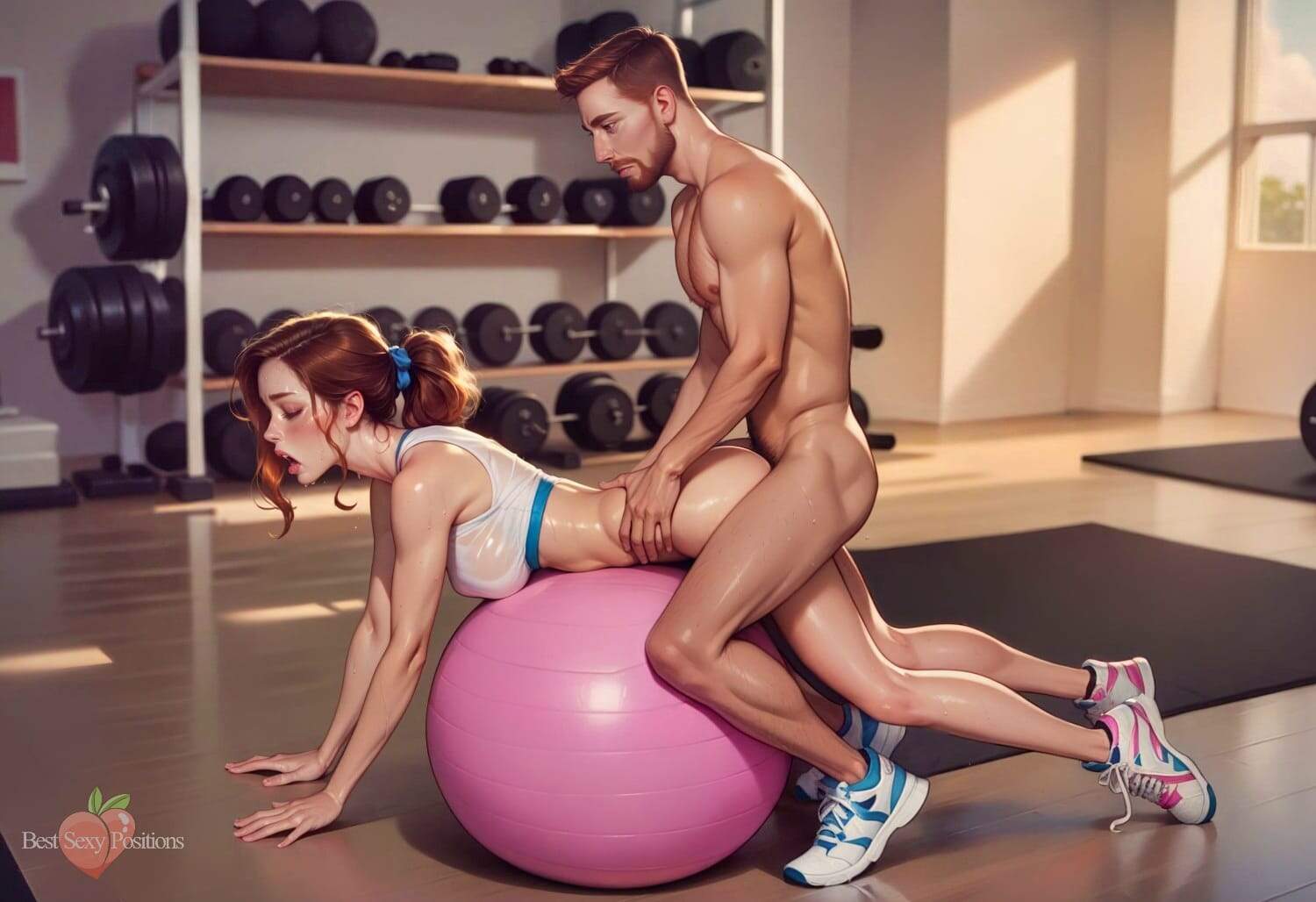
Speed Bump
The receiving partner drapes the stomach over an exercise ball, hips elevated and rounded by the ball's curve. The curve pushes the pelvis into an anterior tilt — similar to the arch in Basset Hound but passively maintained by the surface rather than by the partner's own muscle tension. The ball's instability also means small movements by either partner shift the angle continuously, which varies contact point across the anterior wall with each stroke. Ball diameter changes how steep the tilt is: a larger ball produces more pronounced anterior angle.

Backshots
Standing rear-entry with the receiving partner bent at the waist, hips above knee height. The combination of hip elevation and forward trunk flexion rotates the pelvis posteriorly and stretches the posterior vaginal wall taut. Thrust mechanics are hip-driven with a longer lever arm than kneeling positions — the giving partner's full hip extension is available. The receiving partner can adjust how much pelvic tilt they hold by bending the knees slightly or rising onto the balls of the feet, both of which change entry angle in real time.

Jockey
The giving partner straddles the receiving partner's thighs from behind while both are face-down. The straddle position means the giving partner's pelvis descends with each thrust rather than driving horizontally, creating a downward pressure component that presses through the posterior wall and perineum. Skin contact across the back, buttocks, and thighs is maximal. The receiving partner's leg position — whether thighs are together or slightly apart under the giving partner — changes how tightly the canal is compressed around the shaft.

Crossed Doggy
The receiving partner's hips rotate roughly 30–45 degrees off the giving partner's axis, creating an X-shape from above. That lateral offset means the penetrating shaft enters at an oblique angle to the vaginal axis rather than straight anterior-posterior. Each thrust sweeps across the lateral vaginal wall instead of compressing the anterior wall directly. The cross geometry also places the giving partner's pubic bone against the receiving partner's hip crease rather than directly behind, which changes the surface feel at the base of each stroke.
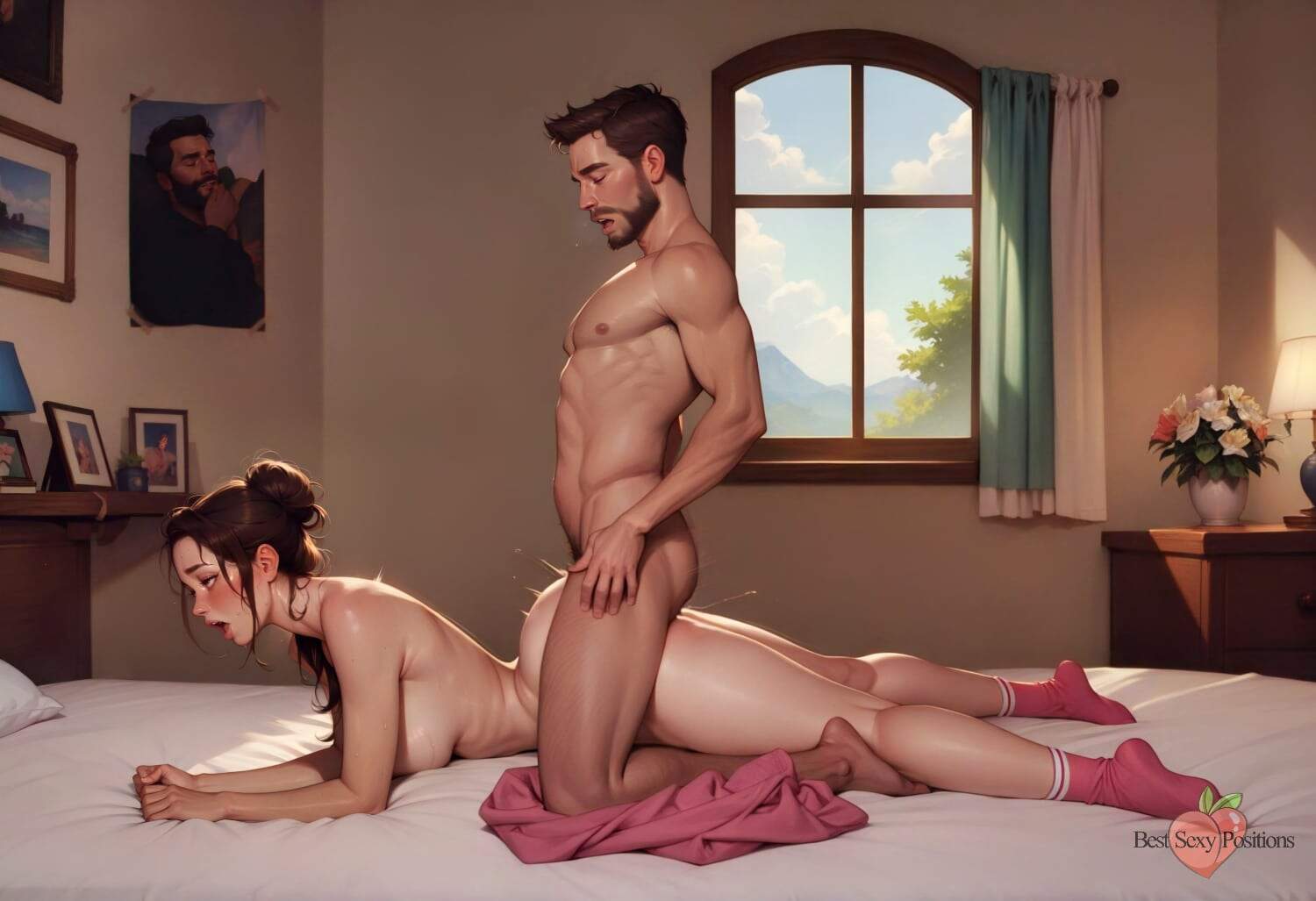
Cowboy Doggy
The giving partner mounts from above and behind in a kneeling straddle rather than the standard knee-to-knee kneeling. The elevated seat position angles the shaft downward on each thrust, which means the tip tracks toward the anterior wall more steeply than standard doggy. That downward component can reach the area just proximal to the cervix — depth varies with the giving partner's seat height relative to the receiver's hips, so adjusting knee placement up or down changes where along the anterior wall contact is concentrated.
Other Hot Categories
Anal Positions Standing Positions Face to Face Positions Acrobatic Positions
All Doggy Style positions
16
 Intermediate
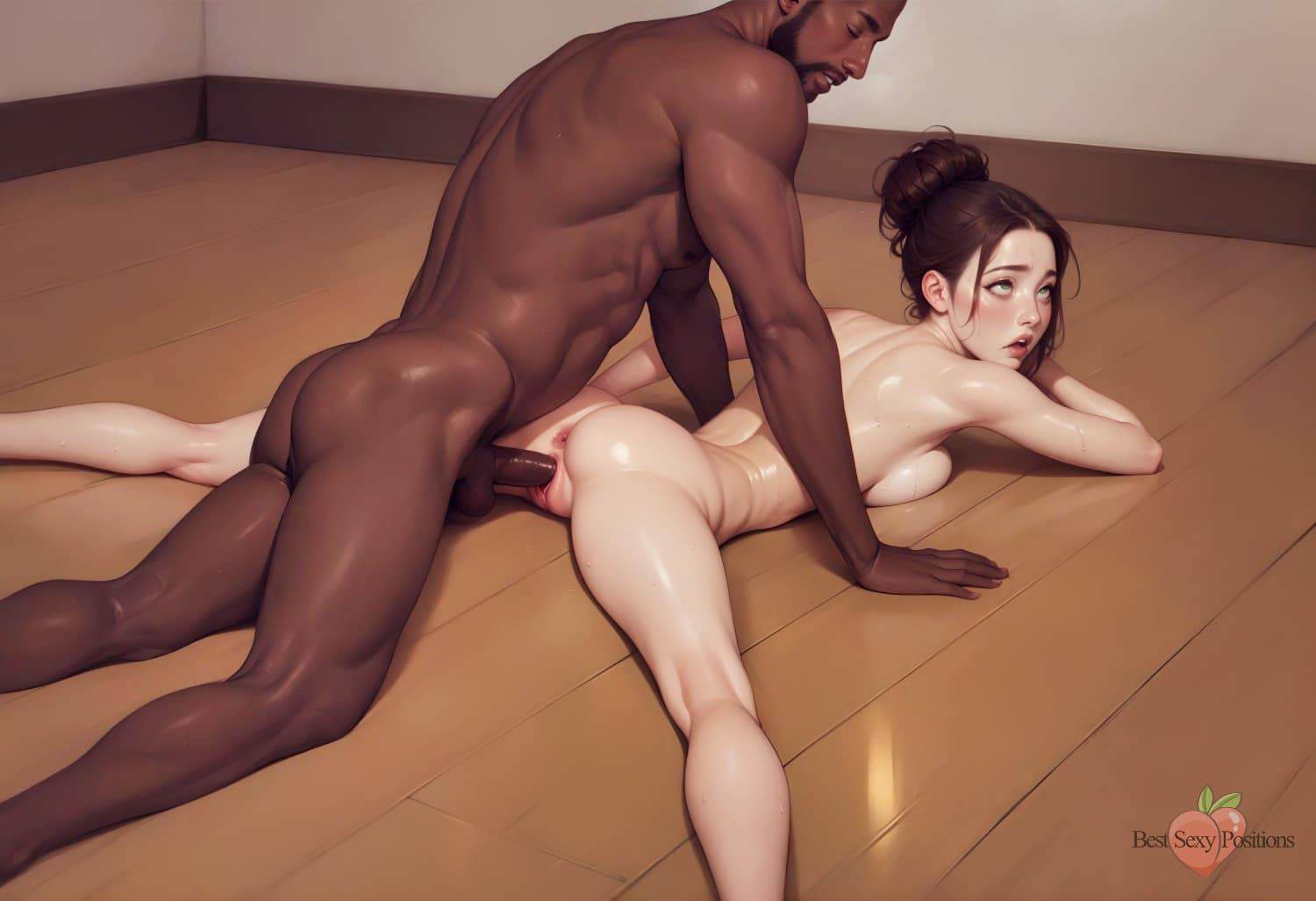
Backshots Position: What It Is & How to Do It
 Intermediate
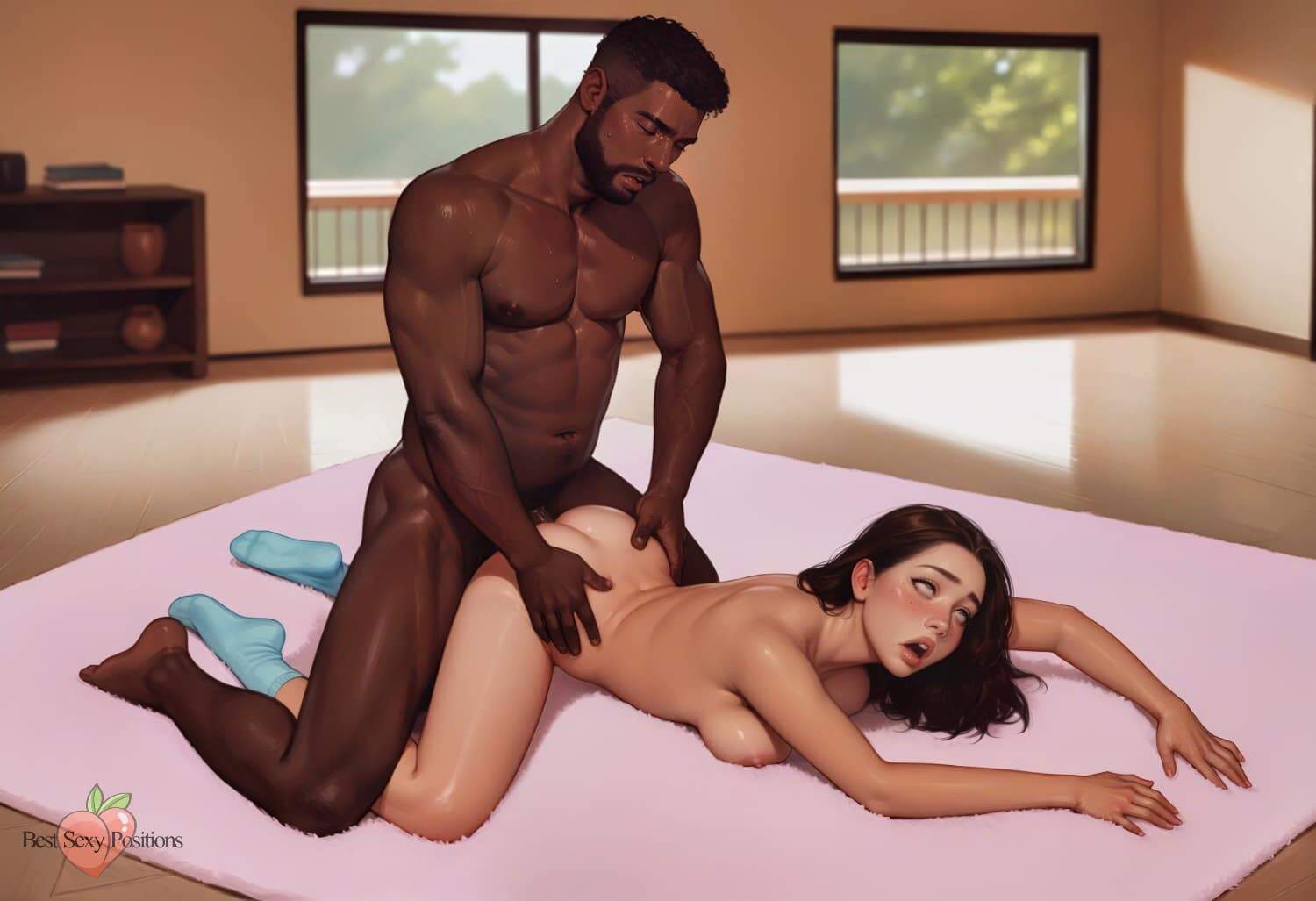
Banana Split Position: Wide-Spread Doggy for Deeper Reach
 Intermediate
Basset Hound Sex Position: Deep Pleasure, Minimal Effort
- Intermediate
Bent Over Position: Angles, Surfaces & What to Expect
- Intermediate
Bulldog Sex Position: Squatting Doggy Style Guide
 Intermediate
Classic Doggy Style Position: Technique & Tips
 Intermediate
Crossed Doggy Position: The X-Angle Rear Entry Guide
- Intermediate
Flat Iron Sex Position: Intense Compression, Minimal Effort
- Intermediate
Frog Sex Position: Deeper Angles, Hands-Free Rear Entry
- Intermediate
Jockey Position: Controlled Rear-Entry Depth Guide
 Intermediate
Lazy Dog Position: Deep Rear-Entry Sex With Minimal Effort
 Intermediate
Prone Bone Position: Depth, G-Spot & Full-Body Contact
- Intermediate
Prone Cowboy Position: Upright Rear-Entry With Full Control
- Intermediate
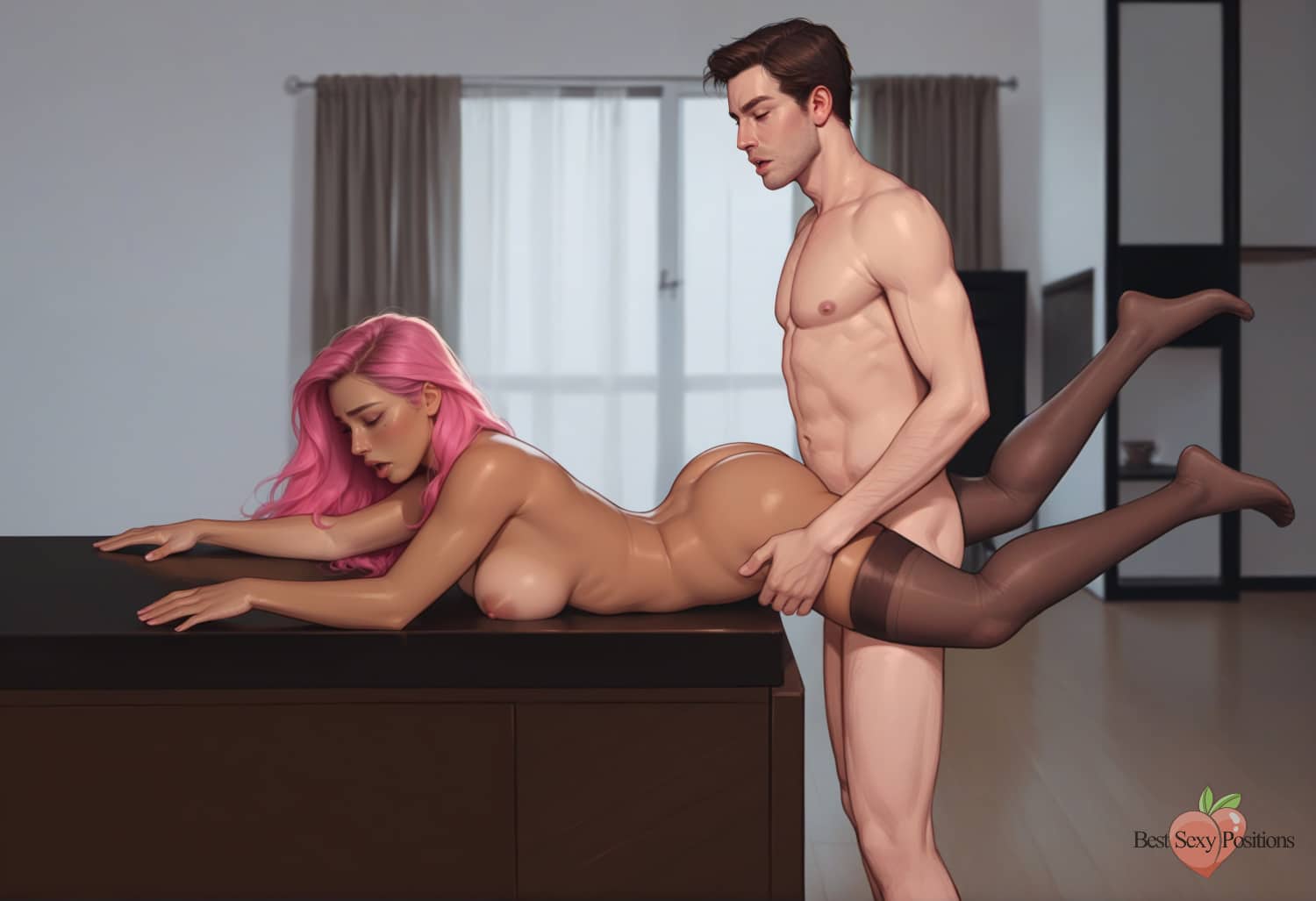
Speed Bump Sex Position: Elevated Doggy for G-Spot Depth
 Intermediate
Superwoman Sex Position: Deep Penetration from the Edge
- Intermediate
Turtle Sex Position: What Happens When You Lower Your Chest